Big Ideas, Real Impact.
Every event we host is designed with intention, from the atmosphere we create to the way each session flows.
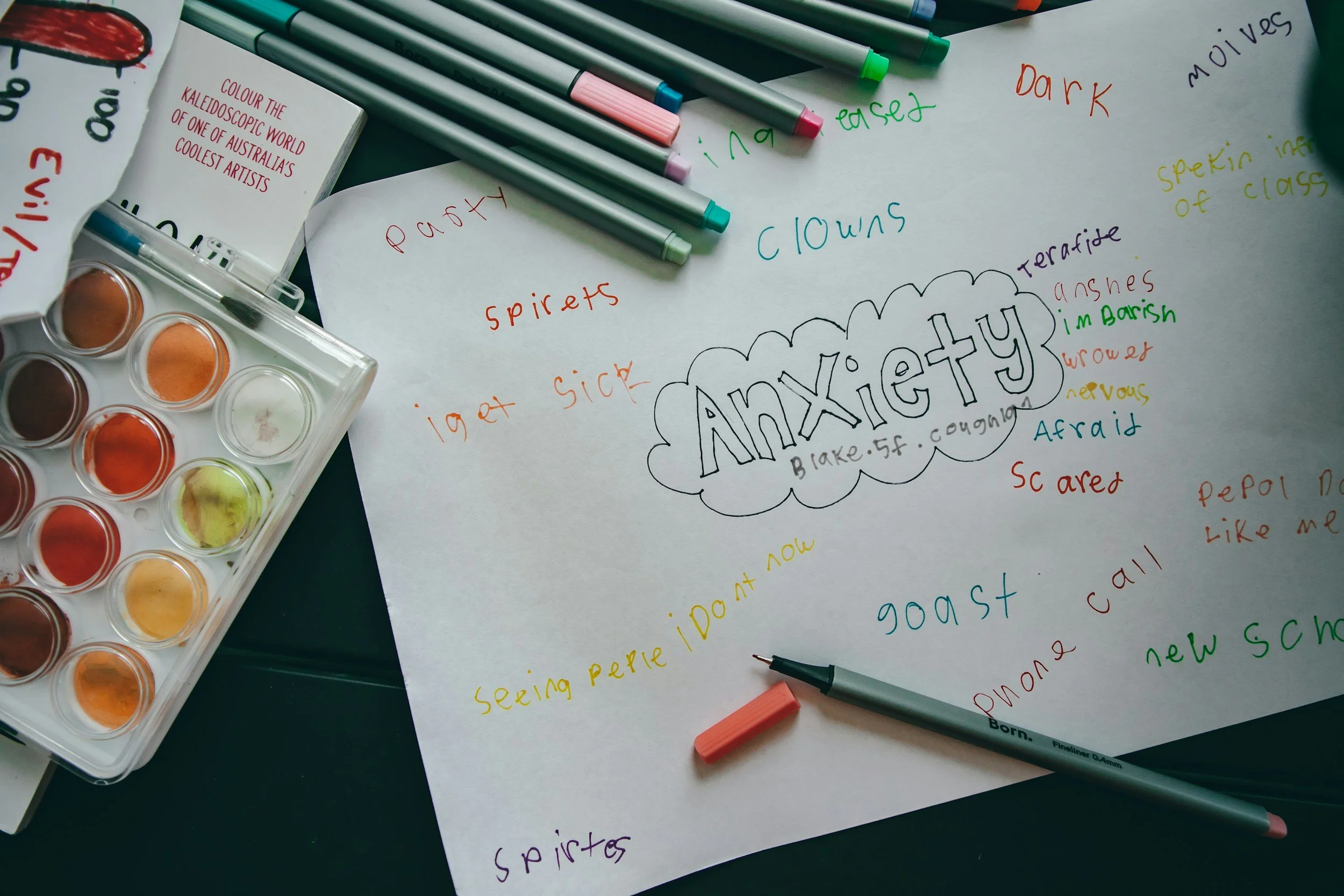
Adolescent Therapy
Helping Children Build Confidence, Resilience, and Emotional Well-Being
Every child experiences challenges as they grow. Some struggle with anxiety, emotional regulation, friendships, or school, while others may feel overwhelmed by ADHD, executive functioning difficulties, family changes, or stressful life events. Therapy provides children with a safe, supportive space to better understand their emotions, develop healthy coping skills, and build confidence.
At Anderson Counseling & Wellness, therapy is individualized, developmentally appropriate, and neurodiversity-affirming. Every child brings unique strengths, experiences, and ways of learning, and treatment is tailored to meet their specific needs.
When Might Therapy Help?
Children don't always have the words to explain what they're experiencing. Sometimes emotional or behavioral changes are their way of communicating that they need support.
Therapy may be helpful if your child is experiencing:
Anxiety or excessive worry
ADHD or executive functioning challenges
Emotional outbursts or difficulty regulating emotions
Low self-esteem
School avoidance or academic stress
Friendship or social challenges
Family changes such as divorce or separation
Perfectionism
Trauma or stressful life experiences
Grief and loss
Difficulty adjusting to life transitions
Behavioral concerns at home or school
A Collaborative Approach
Meaningful change rarely happens in isolation. A family-centered approach recognizes that children are part of a larger system, and therapy is most effective when caregivers are actively involved.
Parents and caregivers are integral members of the treatment process, participating in consultation, goal setting, and learning practical strategies that support growth between sessions. When appropriate, collaboration with teachers, pediatricians, and other professionals helps ensure that everyone is working toward shared goals.
A Strengths-Based, Neurodiversity-Affirming Approach
Many children who come to therapy have spent years hearing about what they struggle with. Therapy should also recognize what they do well.
Treatment focuses on understanding each child's unique strengths while helping them develop practical skills for navigating everyday challenges. Rather than trying to change who a child is, therapy supports them in building confidence, self-awareness, emotional resilience, and strategies that work for their individual brain and learning style.
Areas of Special Interest
Anderson Counseling & Wellness has extensive experience supporting children with:
ADHD
Anxiety disorders
Executive functioning challenges
Emotional regulation difficulties
High-masking autism
Trauma and attachment concerns
School-related stress
Family transitions
Social skill development
Therapy incorporates developmentally appropriate interventions that help children learn through conversation, creative activities, and interactive experiences rather than simply talking about their feelings.
Ready to Get Started?
Finding the right support can make a meaningful difference in your teen’s emotional well-being and confidence. If you're wondering whether therapy may be helpful, reach out to learn more about child therapy services or schedule an initial appointment.